Why Nature Walks Are Essential for Your Homeschool Routine


After spending the winter mostly cooped up inside, spring weather feels like a great escape! I just want to load everyone up and get out of the house, but you also have to keep their schooling going.

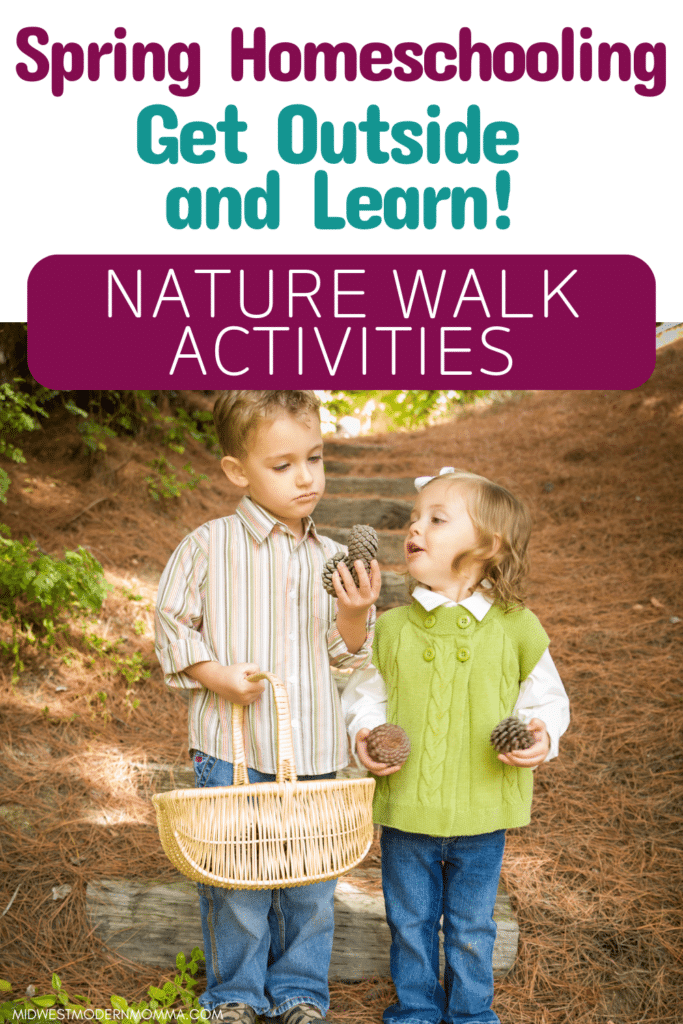
Luckily, there is one activity that can help us achieve both of these goals: nature walks! Not only do nature walks provide a great opportunity for exercise and fresh air, but they can also be a wonderful way to teach our kids about the wildlife in our local areas.
And the best part? Nature walks are completely free. No curriculum to buy, no supplies to order, no membership fees. Just you, your kids, and whatever trail or park is closest to home.
The Benefits of Nature Walks for Homeschoolers
Nature walks offer multiple benefits that address common homeschooling challenges:
Physical and Mental Health
Walking in nature has been shown to reduce stress and anxiety, improve mood, and boost cognitive function. For kids who spend a lot of time indoors, it's a great way to get much-needed exercise and fresh air. While trying to cover all the basics, keep the house in order, and referee sibling fights, exercise can easily fall down the priority list. Nature walks turn exercise into a fun, educational experience for both kids and parents! Even a 20-30 minute walk around your neighbourhood counts—you don't need to drive to a state park every time.
Hands-On Learning
For younger kids especially, getting out and exploring in the dirt, leaves, and mud can be thrilling compared to sitting at a table with worksheets all day long. Children learn in different ways, and nature walks are perfect for teaching the adventurer in your family. Pairing nature walks with nature journals, documentaries, and other learning opportunities at home lets you tailor their education and follow their interests across multiple subjects.
Creating a Love of Nature
The world is full of wonders and it's our job to show them off. From the smallest creatures like butterflies and pill bugs to larger questions about ecosystem balance, nature walks open kids' eyes to a whole new world. One kiddo always got excited about finding ladybugs. Another started asking about how trees identify when spring is coming. My oldest asked questions about animal behaviour and ecosystems. Even though I'm scared of rodents and slithery things, we spend a lot of time out in nature because I have such fond memories of hiking with my grandmother and parents—memories I want to pass on.
Tech-Free Family Time
We all need time to unplug, but scheduling tech-free time can feel restricting. Nature walks feel more like a fun change of pace than a punishment. Plus, family bonding time is so important! Walking on our favourite trails takes some pressure away—teenagers and younger kids alike will open up and share things while walking. I learn so much about who they are and how they view themselves during these unguarded conversations.
How to Turn Nature Walks into Educational Experiences
Making Nature Walks Educational
To make the most of your nature walks, incorporate simple educational activities:
- Bring along a field guide to help identify different species of wildlife (your local library probably has several you can borrow for free)
- Encourage your kids to draw or take photos of the plants and animals they observe
- Younger kids (ages 4-7) can draw simple pictures, while older kids (ages 8-12) might enjoy keeping a detailed nature journal
- Use your walks as an opportunity to discuss topics like conservation, animal behaviour, and food chains—these conversations happen naturally when you're standing in front of a bird's nest or watching squirrels gather food
Research Your State Tree, Flower, and Bird (Ages 5+)
Take some time to find out what your state recognises as the state tree, flower, and bird. Print out pictures and tuck them into your pocket or backpack as you head out.
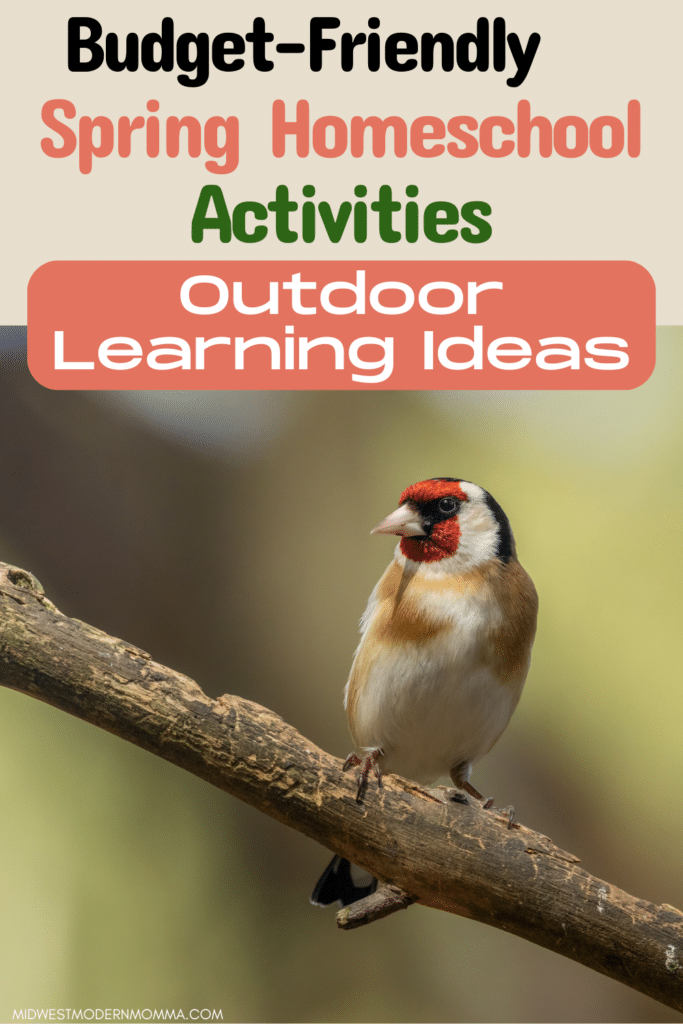
Show your kids these pictures and encourage them to look for these specific items as you walk. For example, if you live in Iowa like we do, you'll be looking for the eastern goldfinch, wild rose, and oak tree on your nature hikes.
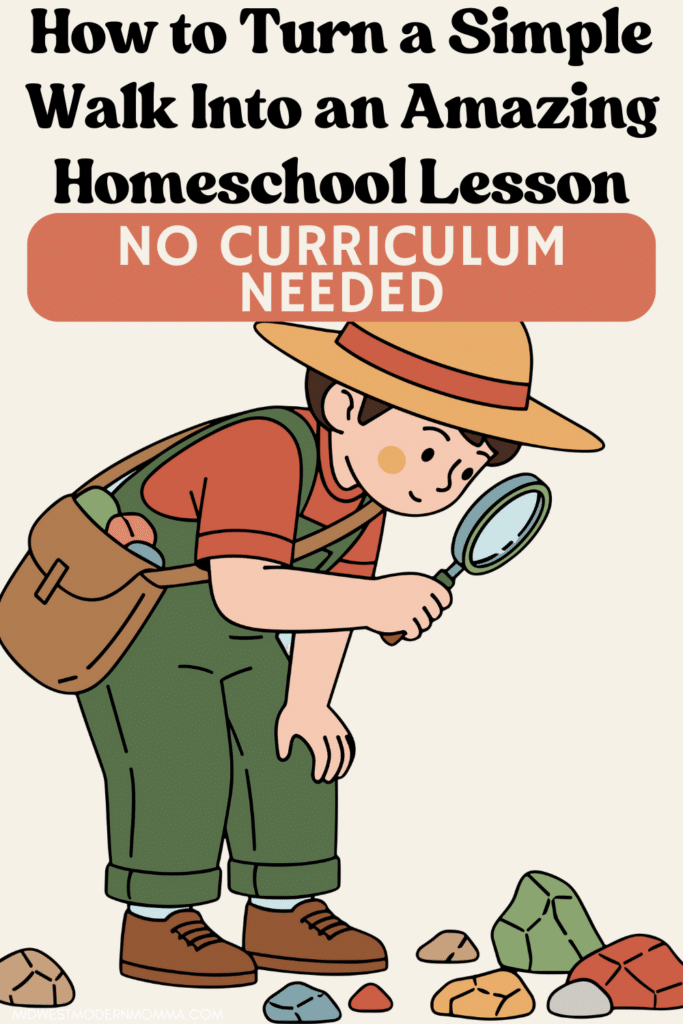
Carrying binoculars and magnifying glasses is an extra fun bonus. Dollar store magnifying glasses work perfectly fine for this.
Learn About Native Animals in Your Area (All Ages)
Every state has a different climate and thus different common animals. For some states, alligators or crocodiles may be common. In other states it's gophers, prairie dogs, and field mice. Still others have deer, bison, or other large game.
Take time to research what's common for your area before you head out. Your state's Department of Natural Resources website usually has great information about local wildlife to watch for during your nature outings.
For younger kids (ages 3-6), focus on spotting one or two common animals like squirrels or robins. Older kids (ages 7-12) can learn to identify different species and understand their habitats. Teenagers might be interested in learning about food chains and ecosystem roles.
Look for Signs of Animal Droppings and Nests (Ages 6+)
One great part about nature walks is learning to spot droppings, footprints, and nests of various animals in your area. This is a great time to teach children about tracking animals or the different ways animals build their homes.
For example, you might find:
- Bird nests made of twigs and grass in tree branches
- Rabbit droppings (small, round pellets) near bushes
- Deer tracks in muddy areas (two parallel ovals)
- Squirrel nests (large balls of leaves high in trees)
- Spider webs between branches
- Holes in trees made by woodpeckers
Learning about the animals around them helps kids become more sensitive to local wildlife needs. Understanding how some animals use leaves, brush, and limbs to build homes will help your kids be more careful about disturbing things that look like a pile of trash to them.
It's also a great time to teach them about how different droppings indicate the health of an animal, and even if the animal is a carnivore or herbivore. For instance, deer droppings look like small pellets because they're herbivores, while coyote droppings might contain fur or bones from their prey.
What Your Kids Can Learn on Nature Walks
Preschool and Kindergarten (Ages 3-5):
- Colours and shapes of leaves
- Counting rocks, acorns, or pinecones
- Big and small comparisons (big tree vs small sapling)
- Textures (rough bark, smooth stones, soft moss)
- Animal sounds (bird calls, rustling leaves)
Elementary Age (Ages 6-10):
- Plant identification using a simple field guide
- Basic animal tracking
- Seasonal changes (why leaves turn colours, where birds go in winter)
- Simple ecosystems (what eats what)
- Weather patterns and how they affect nature
Middle School (Ages 11-13):
- Scientific observation and note-taking
- Photography skills
- Detailed animal behaviour patterns
- Plant biology (how trees grow, why bark looks different)
- Conservation issues and environmental protection
Nature walks are an excellent way to get your kids active and learning about their local environment. They offer physical exercise, mental health benefits, hands-on education, and quality family time—all completely free.
By researching local wildlife and habitats ahead of time, you can create an exciting and educational experience for your children. Remember to use this time to teach your kids about the importance of properly disposing of litter and trash to protect the environment and the animals that call it home.
Since wilderness walks don't cost anything, you can make them a weekly part of your homeschool routine without impacting your budget. So why not grab your walking shoes, head out into nature, and create some learning memories with your children today?