
Chores for Preteens


Ever wonder why chores are such a big deal for 11-year-olds? It's not just about keeping the house in order. Chores are a perfect match for preteens who are ready to learn important life skills while contributing to the family. For 9 to 12-year-olds, these tasks are about taking the first big steps towards independence and responsibility.

Have younger kids? Check out my post on Chores for 4-5 Year Olds or age-appropriate chores for 6-8 year olds. Older kids? Learn why executive functioning is so important & 7 Ways to Boost Executive Functioning in Teens. Plus snag this free Weekly Chore Chart printable!
Age-appropriate chores are the secret ingredient to teaching preteens about time management, teamwork, and the satisfaction of a job well done. From making their bed to helping prepare meals, every task helps them grow a little more.
Let’s dive into how the right chores at the right age can help your preteen grow into a responsible, organized, and thoughtful individual!
Why Chores Matter for Preteens
Chores aren't just tasks that need doing around the house; they're crucial life skills that teach preteens about responsibility, time management, and being part of the family. In our home, we see chores as an essential part of growing up and learning how to manage life more effectively.
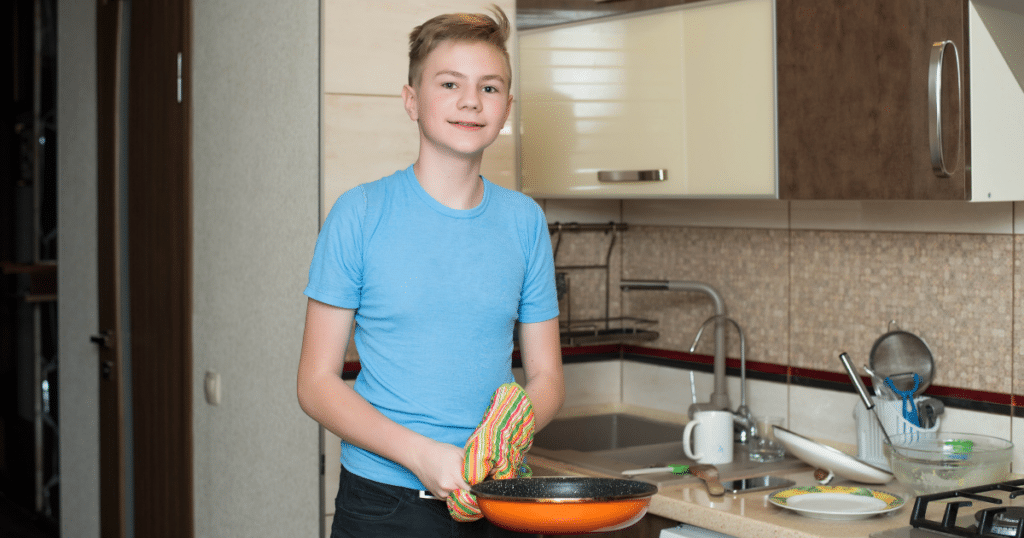
Understanding the Importance of Chores for Preteens
Chores are more than just household tasks; they are a key part of growing up and learning how to navigate the world. For preteens, understanding and participating in chores is crucial for several reasons:
- Building Responsibility: Regular chores help preteens take charge of their duties, fostering a sense of responsibility and pride. Whether it's tidying their room, doing the dishes, or taking out the rubbish, they learn the value of keeping their personal and shared spaces clean and organised.
- Developing Time Management Skills: Chores teach preteens to balance their responsibilities with homework, playtime, and other activities. This helps them learn how to prioritise tasks and manage their time effectively, skills that are invaluable throughout life.
- Contributing to the Household: By doing chores, preteens understand that they are a vital part of the family. Their contributions help the household run smoothly, which strengthens their sense of belonging and teamwork.
- Learning Practical Life Skills: Chores equip preteens with essential skills they'll use throughout their lives. From laundry and cooking to basic cleaning, these tasks prepare them for independence and the responsibilities of adulthood.
- Appreciating and Showing Gratitude: Helping with household chores gives preteens a better appreciation of the effort involved in maintaining a home. This fosters gratitude for their living environment and the comforts they enjoy daily.
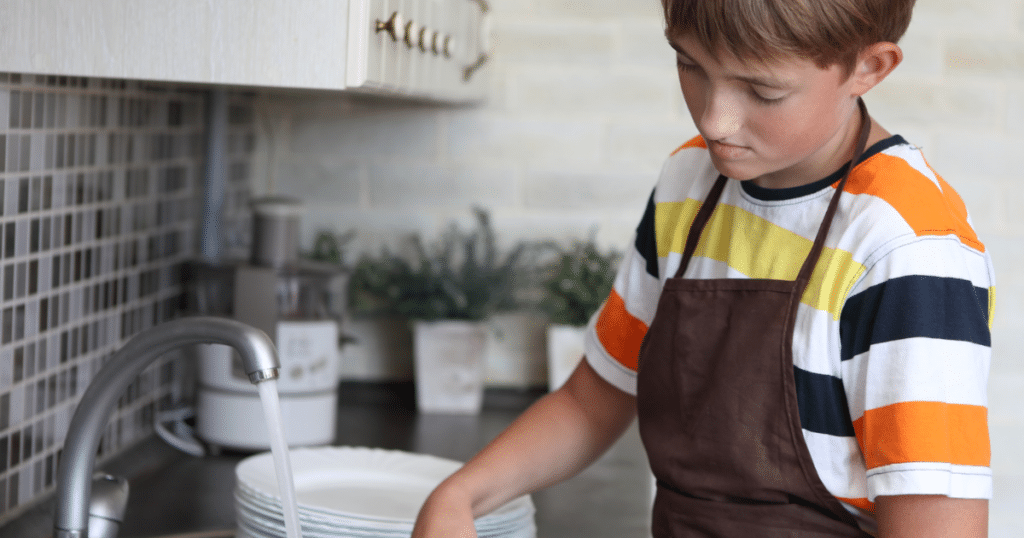
Enhancing Life Skills Through Chores
Beyond the basics, chores are a practical way to develop broader life skills. These tasks teach children how to care for themselves and their belongings, balance various aspects of their lives, and solve problems efficiently.
- Self-Care and Maintenance: Doing laundry and cleaning are not just about cleanliness; they teach children the importance of looking after themselves and their space.
- Organisational Skills: As children balance chores with school and leisure, they develop strong organisational habits that will benefit them in all areas of life.
- Problem-Solving: Figuring out the most efficient way to complete a chore involves critical thinking and problem-solving, preparing them for more complex challenges as they grow.
The Bigger Picture
Overall, chores are about more than just keeping the house tidy. They are foundational experiences that help children grow into independent, responsible, and thoughtful individuals. By learning the importance of chores and the skills they develop, preteens are set on a path to becoming well-rounded adults.
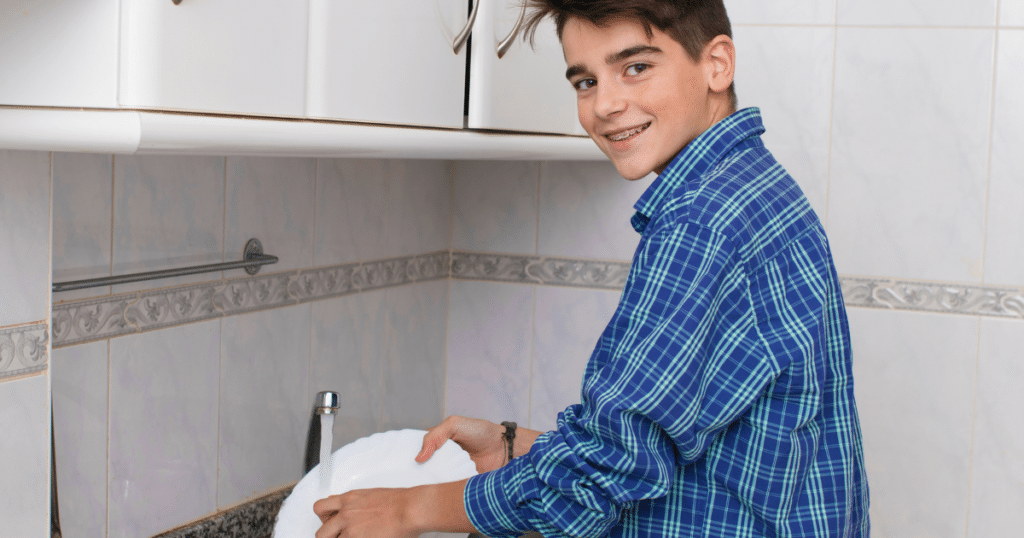
Age Appropriate Chores for 9 to 12-year-olds
Personal Kid's Chores:
- Brush teeth at least twice a day
- Floss daily
- Bathe or shower daily or every other day
- Comb or brush hair daily
- Trim and clean fingernails and toenails regularly
- Apply moisturizer if skin is dry
- Use sunscreen when going outside
- Apply deodorant or antiperspirant each morning and/or after bathing
- Change into clean clothes daily
- Make the bed daily
- Tidy up the bedroom regularly
- Clean any orthodontic appliances as instructed
- Keep a hygiene kit for school or outings
- Wash hands thoroughly at key times
Household Chores:
- Vacuum the floors in the house
- Dust furniture and shelves
- Clean and organize their bedroom
- Wash the dishes or load and unload the dishwasher
- Take out the trash and recycling
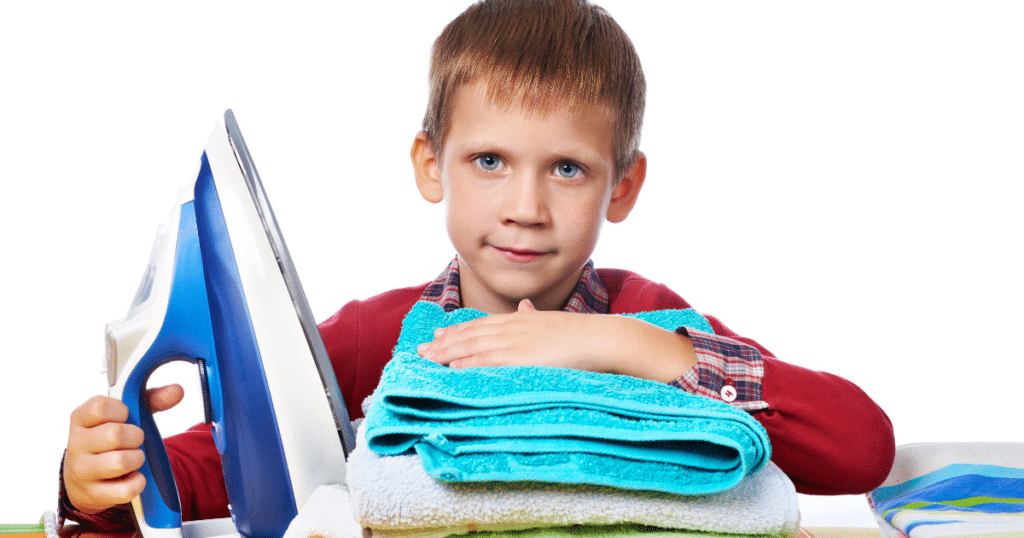
- Help with laundry (folding and putting away clothes)
- Wipe down kitchen counters and tables
- Sweep and mop the floors
- Help prepare simple meals or assist in cooking
- Clean the bathroom sink and mirror
- Change bed linens and make the bed
- Organize books and toys
- Feed indoor pets and clean pet areas
- Water indoor plants
Outdoor Chores:
- Water the garden and potted plants
- Weed flower beds and garden patches
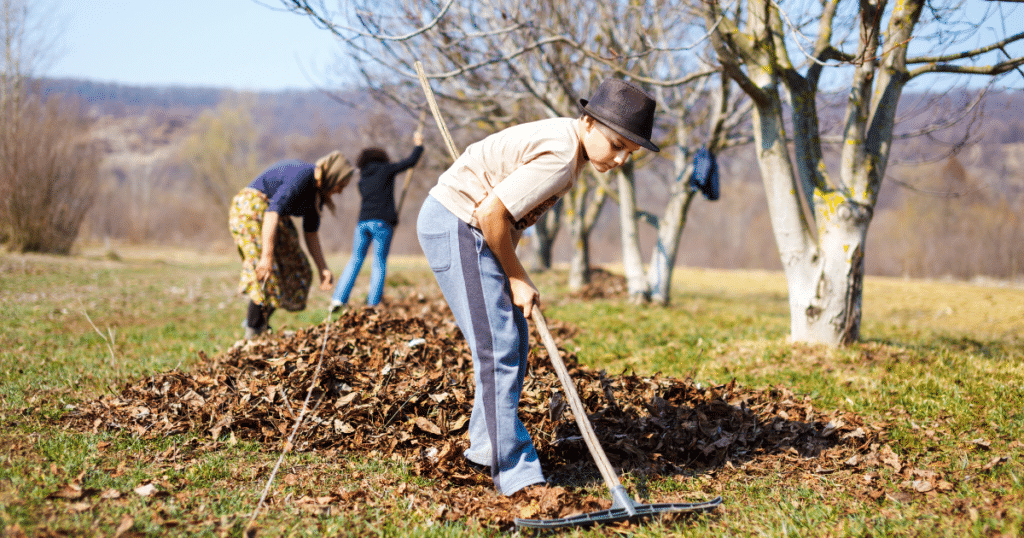
- Rake leaves and gather them for compost or disposal
- Sweep the driveway and sidewalks
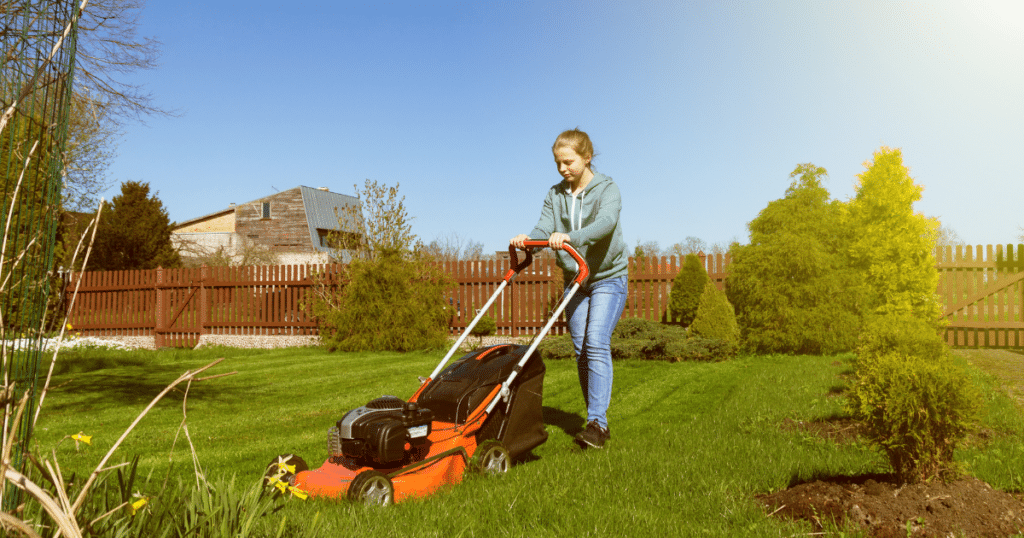
- Mow the lawn (with supervision if using a power mower)
- Help with planting flowers, herbs, or vegetables
- Clean up the yard, including picking up sticks and debris
- Wash the car with supervision
- Help hang and take down clothes on a clothesline
- Clean outdoor furniture
- Feed and provide fresh water for outdoor pets
- Assist with seasonal tasks like shoveling snow or decorating for holidays
Time Management
Scheduling Chores
Time management is an important skill for every 11-year-old to learn. One of the best ways to manage time effectively is by scheduling chores. This will help your child to stay organized and complete tasks on time.
To create a chore schedule, sit down with your child and discuss which chores need to be done and how often they need to be completed. Then, create a chart or list that outlines each chore and when it needs to be done. Hang the chart in a visible location, such as on the fridge or a bulletin board, so your child can easily refer to it.
Encourage your child to stick to the schedule and complete each chore on time. This will help them to develop a sense of responsibility and accountability.
Balancing School and Chores
While chores are important, it's also essential to balance them with schoolwork. Your child's education should always come first, so make sure to schedule chores around their school schedule.
Encourage your child to complete their schoolwork first before starting on chores. This will help them to stay focused and avoid distractions. If your child is struggling to balance school and chores, consider reducing the number of chores or adjusting the schedule.
Remember, it's important to be flexible and make adjustments as needed. By teaching your child the importance of time management, you're helping them to develop a valuable life skill that will serve them well in the future.
Rewards and Motivation
Incorporating Chores into Everyday Life
While incentives like extra screen time or small rewards can be motivating, it's important for preteens to understand the intrinsic value of these tasks. We emphasise that certain chores are a requirement because they teach important skills and values, not just because they lead to rewards.
In our home, we use a rotating chore chart to help keep track of what needs to be done & by whom, but we focus on personal growth and contribution, rather than just ticking off tasks to earn incentives. This approach helps preteens understand that while rewards are nice, the true benefit comes from the skills and values they develop.
By focusing on these core reasons and making chores a part of daily life, we prepare our preteens for the future and help them understand why these tasks matter. It's about building a foundation that will support them throughout their lives, not just about the immediate benefits.
Positive Reinforcement
Another effective way to motivate an 11-year-old to do chores is through positive reinforcement. This involves praising and rewarding the child for completing tasks and doing a good job. Positive reinforcement can be as simple as saying “thank you” or “good job” when the child completes a task. It can also involve giving them a high-five or a hug.
It is important to be consistent with positive reinforcement and to make sure that the child feels appreciated for their efforts. This can help to build their self-esteem and motivate them to continue doing chores in the future.
Integrating chores into your 11-year-old's routine isn't just about keeping your home tidy; it's about helping them grow into well-rounded, responsible individuals. These tasks teach them a lot more than how to fold laundry or wash dishes—they're learning life skills that will serve them well into the future.
Remember, the goal isn't to overload them but to empower them. Find that sweet spot where they're challenged but not overwhelmed, and you’ll watch as they step up and surprise you with their capability and enthusiasm.
Here’s to nurturing independence and responsibility, one chore at a time!